Popular posts

Saturday, 11 July 2020

Everyone is a guru in India, and other lessons from a yoga course


How did I end up here? Read on to find out.

My summer break in 2011 was spent doing something I didn't expect I would do again so soon, after the mixed-bag experience I'd had during my round-the-world trip of 2005-2006, and that was going back to India. Nan had been a long-time yoga enthusiast; I also had started experimenting with it even before we met, and the two of us would often go to yoga classes together in Shanghai. In addition, Nan had been wanting to get “semi-professional” about yoga for quite some time, and she figured India was the best place to do it. So, the focus of the trip was to be a one month, live-eat-breathe-and-sleep-yoga (a.k.a the 200-hour, 1 month Yoga Alliance Yoga Teacher Training certificate) course in Goa. I would have been happy enough to just head to Goa and stay there for the entire summer, but Nan insisted that since we were going to India, we at least had to see the Ganges and the Taj Mahal. What she was saying was reasonable, of course, but knowing what India could be like (and memories of the streets of Delhi, Mumbai and Chennai still fresh in my head), and knowing what my wife was like, I felt like I was damned if I did, and damned if I didn't. Nonetheless, I dutifully went ahead and booked our train tickets – Kolkata-Varanasi-Agra-Goa – in 2-tier AC sleeper, which, apart from having air-conditioning, was different to the 2nd class fan sleepers I had travelled on last time in that bedding was supplied, but had the same cockroaches.

Varanasi, as expected, was an out-of-this-world experience, and seeing the feet sticking out of the burning ghats was something I will never forget. Agra, once you got over the fact that it was touristy, went with the flow, and let the touts-cum-tuk-tuk drivers take you where they would (in exchange for free or very cheap rides), was a fun shopping and dining experience, sort of like an Indian Disneyland. I had the best Indian meal I've ever had in my life there at a place called “Pinch of Spice”; check it out if you are ever in that part of the world.

Next, after a train ride that never seemed to end (it was about a day late), we arrived at our final destination, Shri Kali Ashram, in the far south of Goa, on a quiet stretch of beach known as Galjibag. I had been worried about spending a month of my holiday in a “yoga boot camp”, up at the crack of dawn meditating, practising yoga postures all day, and memorising Sanskrit names in the evenings, but the course kept a very laid-back schedule; almost too laid-back some would say.

Being on my break from work, I was quite happy to have the downtime to be able to sit around and read books for a few hours each day, but I think Nan wanted something a little more intense. In the end, I think we both got something out of the course; our repertoire of yoga postures, range of movement and core strength improved significantly, and on the non-physical side of things, I came into contact with lots of new ideas and ways of thinking about life (particularly in the realm of Eastern religious philosophies), and enjoyed having the time to discuss and debate them with interesting people from around the globe; in fact, you could say that returning to India re-opened a “philosophy and spirituality” dialogue for me that had lain dormant since I set aside such pursuits at the end of my 2005-2006 world trip in order to focus on making money, learning Chinese and meeting women in China (and now that I've pretty much achieved those three goals, there's room in my life to go back to said dialogue – Maslow's Hierarchy of Needs, right?).

I remain firmly a skeptic and scientific thinker (don't worry, you won't see me walking around barefoot in a robe next time we meet, even though the idea of becoming a philosopher like the ancient Greek Stoic Sages does rather appeal to me); I've just become more aware in recent years that the “science vs religion” debates I used to have in my younger days were actually just “science vs Christianity” debates, and that one needs to gain an understanding of all the major world religions in order to be able to give a thorough and proper treatment of the subject. Religious implications aside, from the small amount I've read thus far, I can already see the value in studying Eastern religious philosophies, particularly Taoism, Vedanta and Buddhism, in terms of their application in reducing the stresses and anxieties of modern, “Western” lifestyles. Ideas like discovering and becoming comfortable with your “true/real/inner self”, not clinging to things and going with the flow (i.e. the way of things/nature or “The Tao”) are all useful habits to cultivate, regardless of whether you believe in reincarnation or not.

Shan, the owner and “guru” of the ashram was quite an interesting character; he used to own a shop in Australia and had moved back to India to teach yoga. He had a white moustache and ponytail and would say “and just totally relax” while wobbling his head after just about every yoga posture in the sessions he ran. He asked us to buy and read his book “Divine Initiation” as part of the course. Although I didn’t always appreciate Shan’s criticisms of my “mechanical worldview”, I patiently slogged through the book, but I think anyone who knows me will only need to read the first paragraph on the book’s page linked above to see that it’s not the kind of book I would usually read. Obviously, I never tried reading it backwards :-)

Finally, to capture the essence of the title of this post, I think my 2006 self summed it up perfectly in my travel diary from my round-the-world adventures:

“The alternative traveller scene is alive and well here also - everywhere you looked you could see ads for yoga, reiki healing, ayurvedic massage, brown bread, yak cheese and organic vegetables, and of course Bob Marley is back on the playlist in most places I eat. Rickety (almost dangerously so), wooden businesses constructed in a week and dismantled every monsoon, dodgy cops being paid off so said businesses can stay open after 11:30pm, and cows sunning themselves on the beach remind you that you are in India. But I think what has been most interesting about Goa (and India in general) has been the fascinating characters I have met among my fellow travellers - for example, washed out Ozzy Osbourne and John English types seem to feature heavily here. One such character was a 54-year-old mechanic and boat builder from Birmingham, who was single and beginning his 3rd winter cruising around India on a motorbike. Every time I ran into him he seemed to bring the conversation round to an analogy from the same story about the time he travelled as a mechanic in a hippy bus, overland from Birmingham to Goa in 1978, through Iran, Afghanistan and other such now almost unthinkable places. Nice guy, but every time he started telling the story he reminded me of that old roadie "Del" from the movie "Wayne's World 2", who would always tell the young crew members the story about beating the tiger to death with its own shoes. Or take for example "Bapu", the 53-year-old astrologer and druid from Yorkshire, who believed he was a member of the court of King Arthur. Another old man, who my fellow backpackers and I have dubbed "God", due to his long flowing white hair and beard, can be seen power walking up and down the beach in his speedos every afternoon at about 4 o'clock. I think he would make a great billboard advertisement for Goa - it would say something like "Goa - God's country" or "where even God goes on holiday". Then there is another man, nameless as yet but best described as a skinny version of Fabio, who walks about all day in only his Y-fronts. Even when he eats in restaurants. And last but not least, there is "Gosh", an original Goa hippy who wears only a loincloth, lives in a cave at one end of the beach and meditates most of the day (and charges 500 rupees per hour for consultations). Yes, there certainly are a lot of people finding themselves here in Goa - and judging from these wise old characters it seems that the meaning of life has something to do with wearing as little as possible.”

Let’s just say that if I’d met Shan during that trip, he probably would have featured in the paragraph above - although to his credit, he was usually fully clothed!

I’ll finish by letting some pictures from the trip (complete with witty captions, of course) tell the rest of the story.


The chaos in Kolkata Station was an assault on the senses after having landed a few hours earlier.


Care for a dip anyone? Locals bathing in the River Ganges.


Many families in Varanasi kept cows in their courtyards.
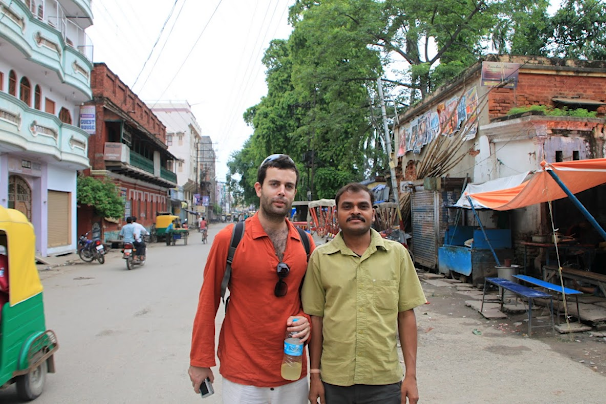

With our "self-appointed" Varanasi guide.


"Did Mark Waugh really wear these sunglasses during the 1994 Ashes series?"


What's that in the background I wonder?


A cheeky monkey, Agra Fort.


The money shot.


Attempting to prove that we didn't photoshop ourselves into the previous picture.


Typical Agra street scene.


Slogging my way through "Divine Initiation".


Yoga and whisky don't mix folks (note the can of tuna that I'd smuggled in due to the Ashram serving only vegetarian food).


Nan models one of the many saris that she bought during the trip.


Leading my first yoga session.


Setting up for our daily afternoon beachside yoga practice.


Discussing the finer points of Vedantic philosophy with my classmates over whisky and soda.


Officer's Choice Premium Whisky - an alternative path to enlightenment perhaps?

“The Master does nothing, yet leaves nothing undone” - Lao Tzu

“The sage is a target to aim at, even though you fail to hit it. The sage is to Stoicism as Buddha is to Buddhism. Most Buddhists can never hope to become as enlightened as Buddha, but nevertheless, reflecting on Buddha's perfection can help them gain a degree of enlightenment.” - Derek Sivers, paraphrasing William Irvine’s “A Guide to the Good Life - the ancient art of Stoic Joy”.

Sunday, 7 June 2020

The last of the backpackers - hitchhiking through the Golden Triangle


Sheltering from the harsh Laotian sun in the back of a pickup truck, somewhere between Vang Vieng and Vientiane.

This adventure begins shortly after my Sichuanese Tibetan Plateau trip ended. Back in Anren and with 6 weeks of summer break still ahead of me, I had the notion that riding a scooter all the way to Bangkok, where my wife was working on a Chinese tourism startup at the time, would be a good idea. After looking at the distance involved and doing the maths, I decided to skip the southern Sichuan and Yunnan legs of the journey and fly directly to Jinghong, the capital of the Dai minority region Xishuangbanna and China's piece of the Mekong River.

After discussing the scooter plan with my Couchsurfing host Zaza, it became apparent that the paperwork involved in getting it across two borders was going to be very difficult. Contemplating my options, I considered the classic Jinghong to Chiang Saen boat trip that gets you from China to Thailand without having to enter Burma or Laos, but with the events of the Mekong River massacre still fresh in the collective memory, that didn't seem like a good idea either.

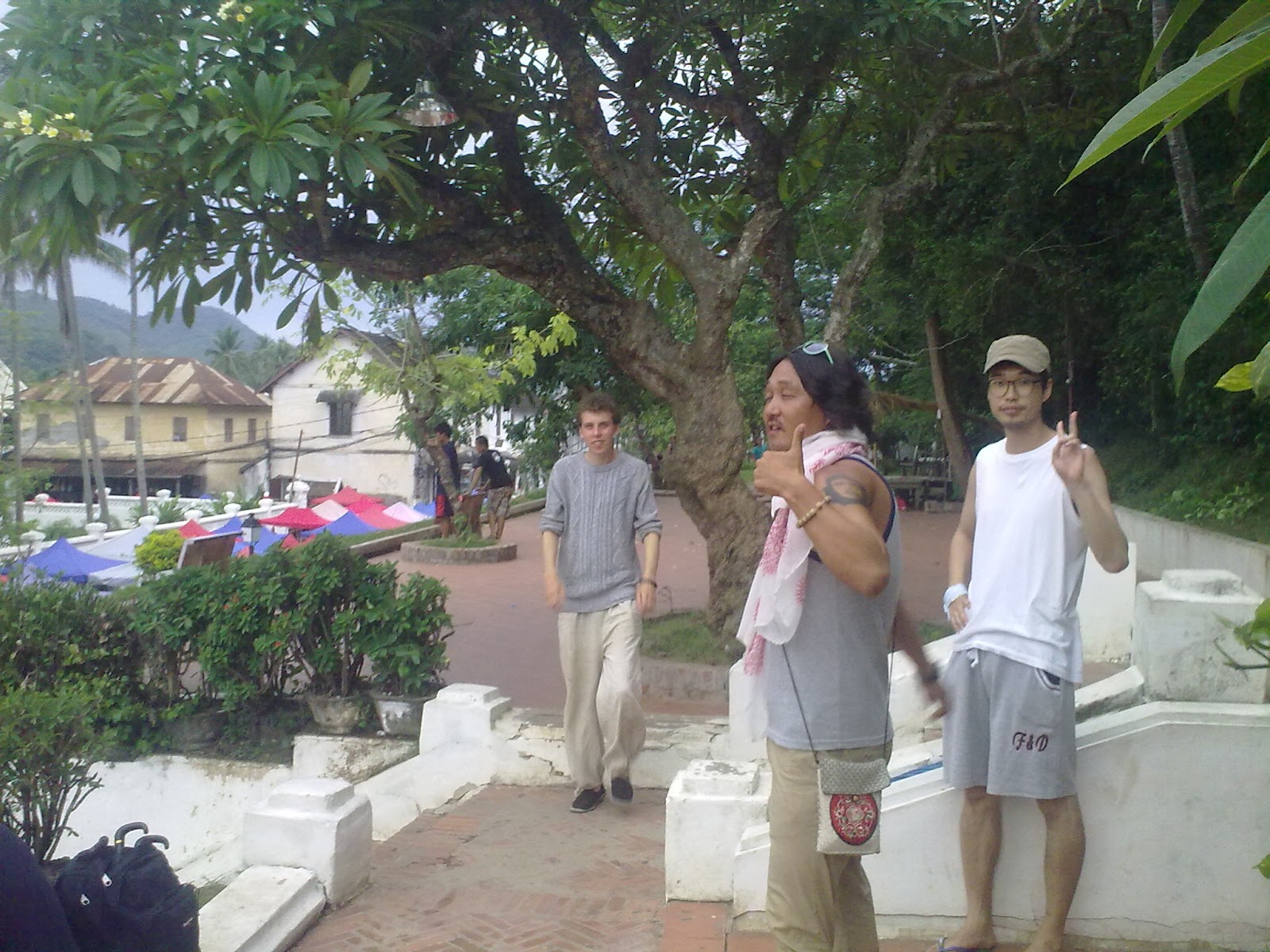
As luck would have it, Zaza was about to host two characters who had hitchhiked into town from Kunming and who would provide the "Plan C" that I was looking for. On my second night in Jinghong, over lots of Chinese baijiu, Max, a quirky, home-schooled British kid on a gap year, and Muk, a weathered Korean backpacker, told me of their plans to continue hitching all the way through Laos and into Thailand. When they asked me if I'd care to join them, the sensible adult part of my brain was quoting Danny Glover from Lethal Weapon - "you're too old for this s!#t", while the part of my brain that still thinks I'm 21 (every male has one) was saying "go on, just say yes - after all, you're on holidays".


Apart from a few hours on a bus to get us from somewhere south of Luang Prabang (where we got stuck) to Vang Vieng, we hitched the entire route shown in red.

The next day we were joined by Muk's friend Seungjae, and we shouldered our packs and set off for the Laos border. Even though hitching with 4 people usually isn't recommended in the manual, we found it relatively easy to ride in pairs and keep in touch via SMS (for the Sinophiles reading this, I didn't join WeChat until September that year). The Chinese toll roads were in good condition even at the extreme edges of the Chinese empire, and we made it to Mengla on the first night.

The Lao side of the border was a different story. The highway quickly gave way to a single lane road into Boten, which then turned into long sections of potholed gravel roads (in the rainy season) for most of the way to Luang Prabang. People in Boten didn't seem to understand hitching - they would offer to drop us at the bus station - so we hauled our packs a few kilometres out of town to a gas station, where we started hitting up truck drivers heading south. After several strikes, we finally found a friendly chap with a cabin large enough for all 4 of us atop a huge semitrailer. It was also a semitrailer with a really low low gear, so what followed was a torturous, bumpy 10-hour journey, and being unable to communicate with the driver, we had no idea when our next toilet break would come, or how much longer we had to endure.


Max, Muk and Seungjae, relaxing in Luang Prabang after our "long march"

As you might expect of an 18-year-old backpacker, Max's budget was extremely tight. We're talking 5-dollar-a-night dorm beds tight, and "shopping around street vendors for the cheapest sub-1 dollar sandwich or bowl of noodles" tight. He even convinced us to try to hitchhike to Kuang Si waterfalls, the most touristed spot in Luang Prabang. Needless to say we were unsuccessful, and eventually gave up and split a tuk tuk.


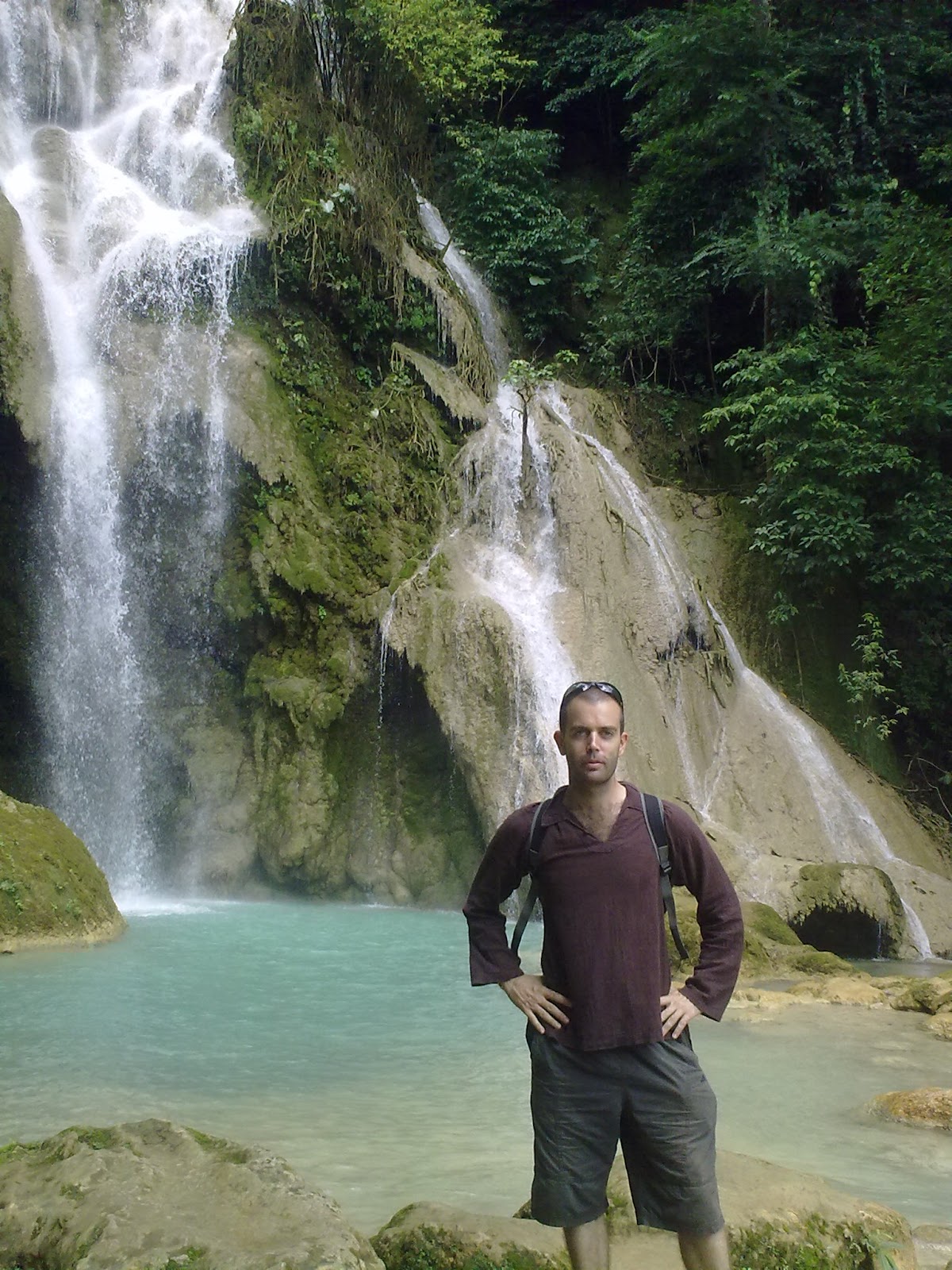
Kuang Si Falls, Luang Prabang, July 2013


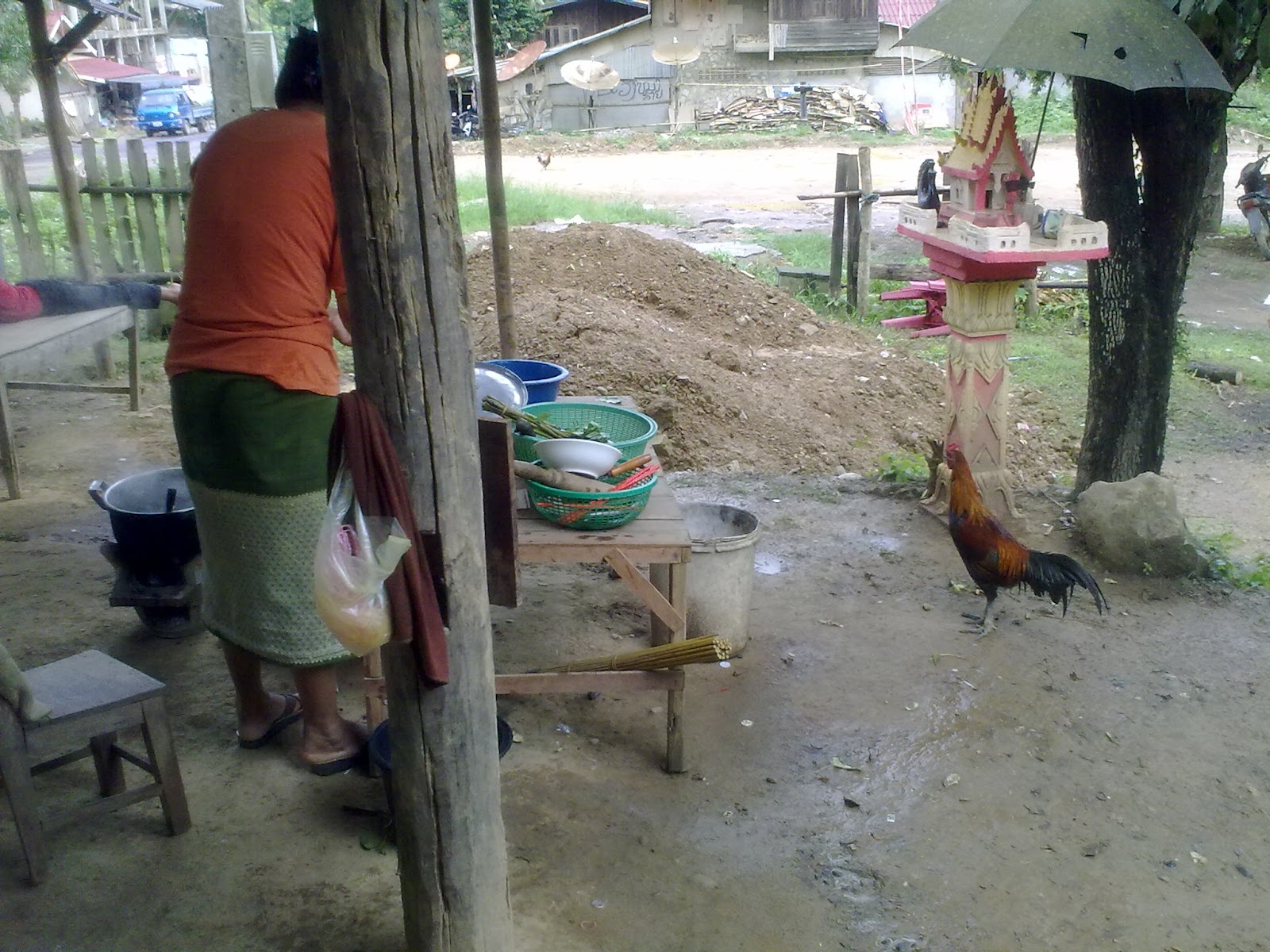
A roadside noodle vendor meeting Max's lunch budget specifications.

For the first few days I tried to treat it like a game - let's see how little you can survive on here, I thought, just to prove to yourself that you could still do it if you had to. But when continually searching for the cheapest option began to get in the way of actually enjoying what a place had to offer, I began to tire of it. After experiencing the quintessential backpacker "rite of passage" - tubing in Vang Vieng - I decided it was time to head south and find my wife. Max decided to stay on in Vang Vieng, but Muk, Seungjae and I reunited for one final hitching missing to Vientiane. Which is how I ended up in the back of a pickup truck with a backpacker shirt purchased on Khao Sahn Road wrapped around my head.


On the road again with Muk - it wasn't as fun as it looks.

By the time we made it to Vientiane, I'd had enough hitchhiking for one lifetime. Muk and Seungjae decided to stay in Vientiane, while I bussed it over the border and took a sleeper train from Nong Khai to Bangkok. I spent the rest of the summer (and then some) recovering from the diarrhea that I'd picked up in Tibetan Sichuan and let go untreated during my two weeks on the road. When I reached Bangkok I was under 62kg (normally I'd be around 67 or 68) and didn't really get back to my normal weight until 6 months later.

Perhaps I should have listened to the Murtaugh voice in my head. But then again, sometimes it's good to do hard things; to really push your limits and find out what you're capable of. That's what they taught us at RAAF Officer Training School. It's a mindset that is still with me today, it's just that "pushing your limits" now looks different.

Let's just say it no longer involves a backpack, 5 dollar dorm beds and long rides on chicken buses.


Wednesday, 27 May 2020

The STEM Warrior Awakens - surviving the Ya'an Earthquake and soul searching in the foothills of the Tibetan Plateau

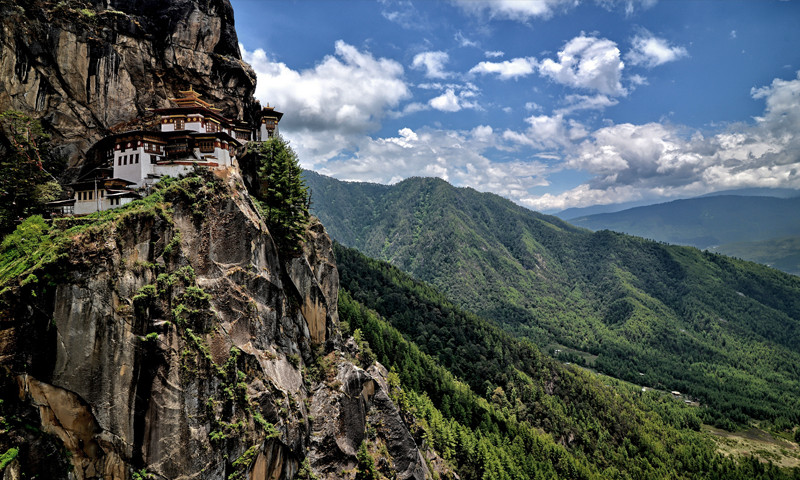
Paro Taktsang, the monastery in Bhutan where Batman received his Ninja training and the inspiration for this post 

It began as a low rumble in the distance. I was trying to make the most of the trickle of hot water coming out of the showerhead in my temporary home, a guesthouse in Anren old town; my suit jacket was laid out flat on the bed. It was a Saturday, but the school was holding an important event, so foreign teachers had to be on display in their Sunday best. Very quickly the rumble got louder and the floor started to shake left and right, almost in perfect simple harmonic motion, with an amplitude of almost a foot. Dust started to fall from the ceiling. I had barely managed to turn off the tap, throw a towel around myself and start contemplating my options when it stopped as suddenly as it started.

Outside on the street, people who had reacted faster than I did were already making phone calls, half-dressed or with make-up half-finished. There was no obvious damage to any buildings I could see, so I got dressed, dusted myself off (literally and metaphorically) and strolled down the road to school. It slowly began to dawn on me that I had just survived one of those infamous Sichuan earthquakes!

Ya'an Earthquake survivors, April 2013.

You would think the school would cancel the event, but Mr Kong, the Confucius International School's owner and namesake (he claimed to be a distant relative of the famous sage) would have none of it. The school was still standing, wasn't it? The government officials were already on their way (those that weren't stuck in Chengdu due to road closures, anyway). I didn't really care. I felt invincible, like Jeff Bridges in the opening scene of Fearless. We found out later that day that we had been about 80km from the epicentre, where things had been shaken up pretty badly. Nearly 200 people died. Luckily, the pandas were unscathed.

I'm sure we can all think of a close shave we've had in our lives that's made us reflect on the Stoic mantra "memento mori", and perhaps for a while, it changes the way we act. Or maybe it invokes a reflection on our direction in life, our chosen career, or our priorities. In my case, that change of direction had already happened 6 months earlier.

In the Spring of 2011, after teaching an Australian Engineering Diploma course in Shanghai for nearly 3 years, I was given 18 months or so notice that I would need to find a new job, due to the programme being discontinued (it had been a Queensland government initiative to funnel students from Shanghai vocational colleges into Queensland university engineering programmes, but hadn't achieved the intended results). I was in a fairly unique position of having some "runway" to reinvent myself. Should I try to transition back into engineering, perhaps with a Sino-Australian joint venture that would value my Chinese language skills? Look for similar programmes elsewhere around the world? Move into vocational education programme management? I cast the net wide.

The engineering options I was finding were underwhelming. I think the only offer I received was from an American company manufacturing water features (of all things) somewhere in Guangdong province. By the end of 2012, I was deciding between a programme coordinator job with an Australian mining training outfit in Ulaanbaatar, and a secondary Physics and Maths teaching position at Confucius. Despite the UB job paying double what Mr Kong was offering, once I did some research on the Mongolian capital's climate, the decision was made.

And so it came to pass that after a series of life and career decisions that began with me deciding to move to China, I found myself celebrating being alive and savouring the Sichuan spring sunshine with my new teaching colleagues at a street food vendor in Anren, China. Those first few months at Confucius were halcyon days - there was balmy weather, bonding with new friends who were all in the same boat and had nowhere else to go but the street food BBQ chicken wings stall of an evening (to date, those are still the best chicken wings I've ever eaten), the romantic notion of leaving the hustle and bustle of Shanghai behind for a quiet life in a Chinese village, and working hard but enjoying the process of learning to teach a new curriculum. 

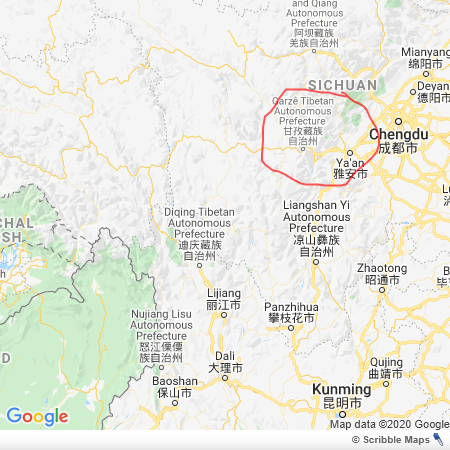
The corner of the world where the events in this post took place. The Tibetan border is the dotted grey line, and Myanmar and India are at the bottom left of the map. 

That summer, my sister Sabella and her husband Michael came over to visit, and we embarked on a sometimes patience-testing but very unique road trip through the Tibetan Autonomous Prefecture to the west of Chengdu. As you can see on the map above, Chengdu is kinda like the last Han Chinese outpost in central-west China before you hit Tibetan cultural territory. Indeed, many independent travellers hang out in Chengdu's guesthouses and hostels while they wait for their Tibetan travel permits and train tickets to Lhasa, and if you're short on time, you can get your fix of authentic Tibetan food and culture in Chengdu's Little Lhasa without having to deal with all the red tape.

However, we decided to take matters into our own hands, and drive my wife Nan's Toyota Camry straight up the mountain to Kangding, for a taste of the real Tibet.

Oh what a feeling, Toyota! Taking a break with brother-in-law Michael at a mountain pass (altitude approximately 4000m) somewhere near Kangding

This turned out to be not such a good idea. The road conditions deteriorated markedly once we passed Ya'an (duh, there had just been a 7.0 earthquake there like 10 weeks earlier), and the road up the range was torturously slow, full of trucks crawling along in 2nd gear and really bad for the suspension. Although we couldn't cover as much ground as we wanted to, we made it as far "up" as Tagong, and drove some scenic routes around the Kangding region that afforded some great views of Mt Gongga (well, bits of it) and plenty of yaks.

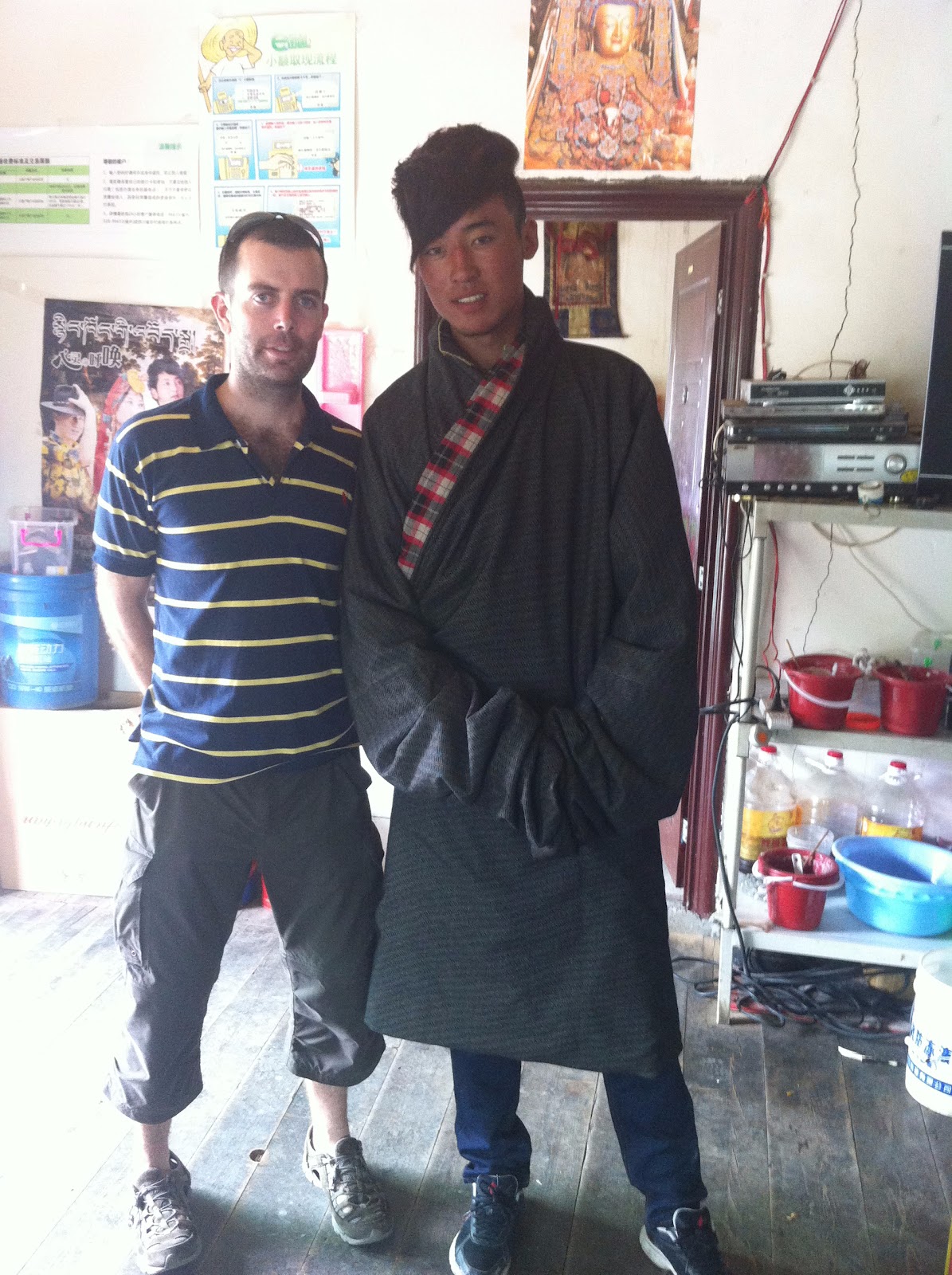
Hanging with the locals, somewhere between Kangding and Tagong

Yaks doing their thing

When I returned to Anren and Confucius after that summer break, the honeymoon period gradually began to wane as the weather grew colder and the growing pains of joining a newly established school became evident. By February I found myself searching for jobs again, and by late April I had signed a contract with Zhuhai International School (ZIS) to begin a new chapter in my life as an IB (International Baccalaureate) Physics and Maths teacher, a role that I have thrived in to this day.

In fact, it was during the summer break after my first year at ZIS that I first began to refer to myself as a STEM Education Warrior. And that brings us back to the reason for this post - the STEM Warrior origin story. The ideological shift can probably be traced back even earlier than my Anren "hardship post", to when I first read Carl Sagan's "Demon Haunted World" in 2011, but just like Batman, I had to go into exile for a while and hone my skills before I could return to civilisation and execute the mission.

That 15 months I spent at Confucius International School was my equivalent of Batman's time at Paro Taktsang. It's where I cut my teeth and learned how to set up a physics lab programme. It's where I learned from maths and science teacher colleagues who'd done their training in rough parts of the UK how to engage a room full of teenagers who didn't share my enthusiasm for the subject. And it's the reason I was able to get into IB teaching, and ultimately, move to Vietnam, and why my career can now take me just about anywhere in the world. So thank you, Anren, for teaching me those valuable lessons. 

Sunday, 17 May 2020

The Travel Archives Series - Spooky Eastern Europe and searching for Dracula


Warily checking in at the Hotel Castel Dracula, July 2012

I'm going to change direction for the next few weeks/months and work through a few of my as yet untold travel tales. Writing my "theories about life" type posts has been rewarding, but it's difficult to come up with new ideas every week, and the few that I do have left need some more time to ferment. I figure by the time I work my way through a decade of travel adventures, I'll have some more theories to publish :-)

That's not to say you'll be getting travel diary-style accounts of all my travel adventures since 2010 - that would require an entire year's worth of weekends - rather, I'll try to keep it to highlights, pictures with witty captions and the odd insight or travel tip about lesser-known destinations (and let's face it, there's a lot more web content competing for your attention than there was in 2006, so nobody has time to read my travel emails these days anyway). 

Without further ado then, let's take a trip back to June 2012. 

We signed the ownership papers for our brand new leased Citroen at a dealership near Frankfurt airport and were speeding down the Autobahn towards the Czech border within minutes; by lunchtime we were quaffing Czech Pilsener with goulash. 

First beer of the trip

The aim of the trip was mostly to eat and drink our way through Eastern Europe, and judging by the route map, I'd say we succeeded:

Very rough map of the route we took from late June to early August 2012. From memory I think we put over 12000km on that brand new Citroen!

One of the sub-aims, or "curiosity missions", if you will, was to visit Transylvania, and hopefully, Dracula's castle. Ever since I played that Transylvania computer game as a kid in the 80s, I'd wanted to go there (for a trip down memory lane, or if you were born after 1984 and have no idea what I'm talking about, you can download the game here). 

The real Dracula lived in Bran Castle, which is worth a visit, but if you want a proper "what tourists think Transylvania is like" experience, you should stay a night at the Hotel Castel Dracula...if you dare!

Lonely Planet's description is hilariously accurate; this is indeed the place to get your Dracula t-shirt and mug, and the tour of "Dracula's tomb" is certainly kitsch yet somehow still scary, and worth every Romanian lei.

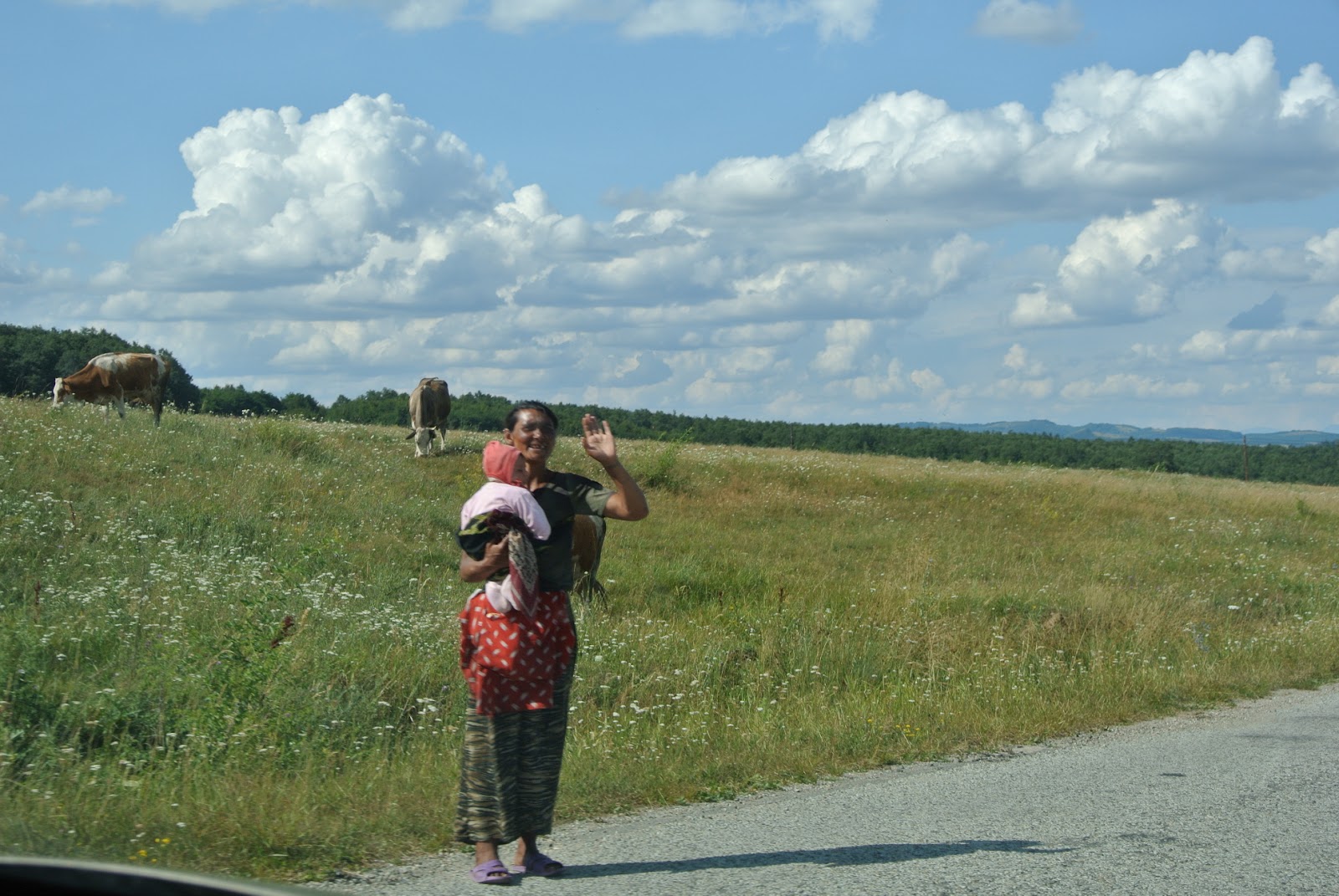
While Dracula was a pretty scary dude, he's got plenty of competition. From churches full of skulls and bones, to gypsy shanty towns, to the legacies of Europe's most wanted dictators, there's plenty of stuff in this part of the world that will scare the pants off you. 

With that, here's a collection of photos from the trip that loosely align with the "spooky/scary Eastern Europe" theme of the article's title. Enjoy!

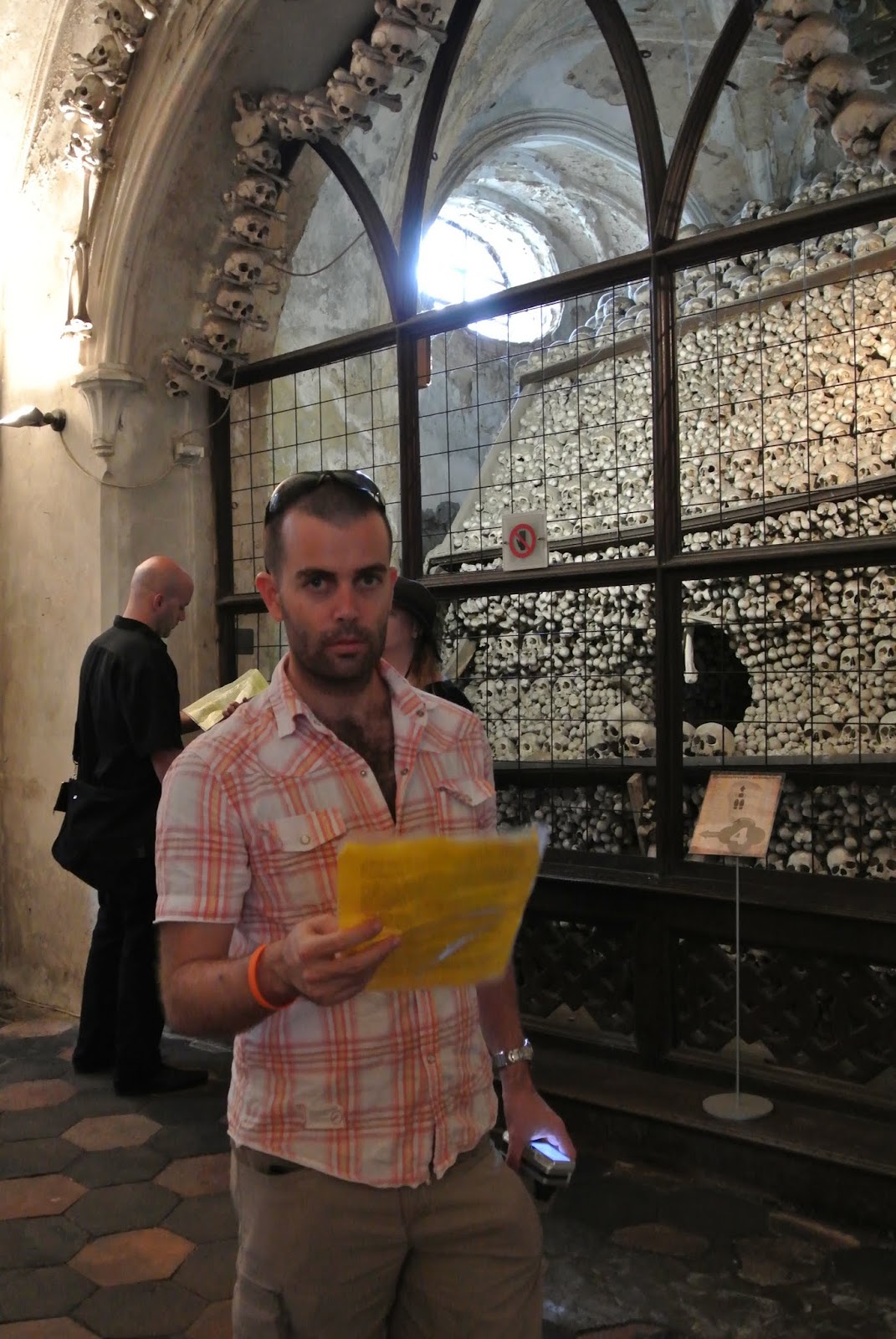
Sedlec Ossuary (a.k.a. "the bone church"), Kutna Hora, Czech Republic

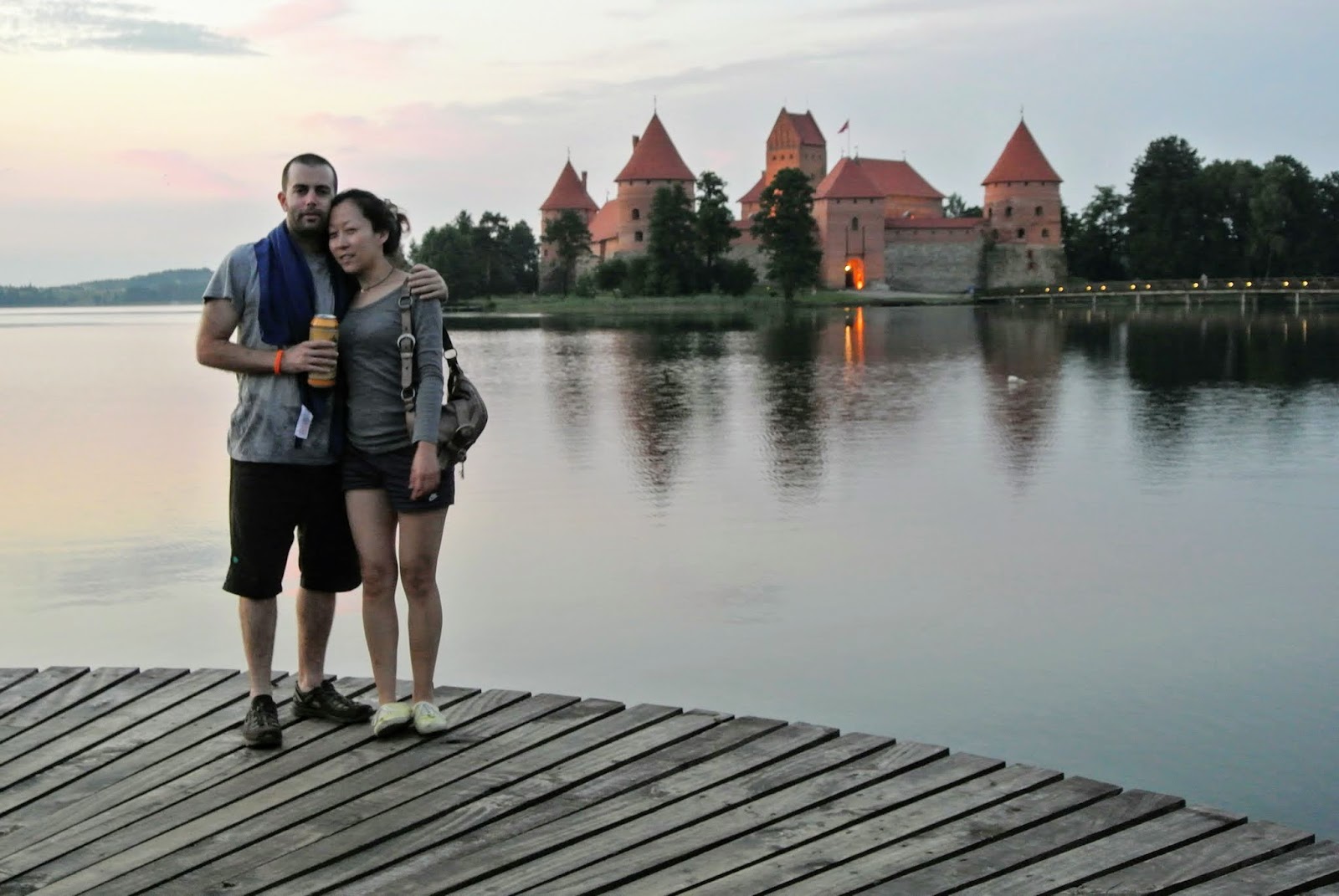
Castle that looks like it's straight out of one of those spooky children's fairy tales, Trakai, Lithuania

Scary Eastern bloc-like border, Belarus

Medieval cave, Cesky Krumlov, Czech Republic

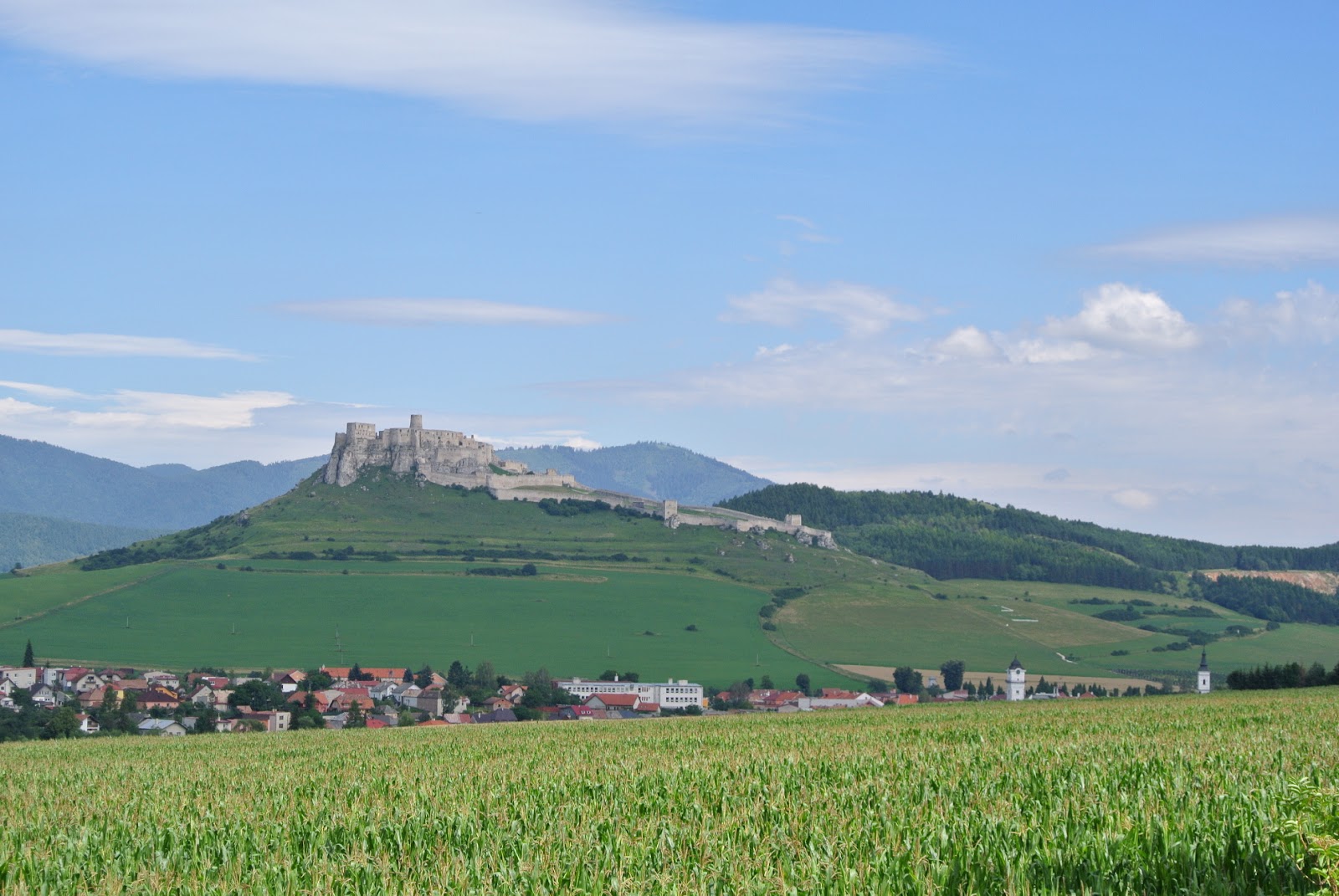
Not Dracula's castle, somewhere in eastern Slovakia en route to Hungary

Suddenly we didn't feel like picking up hitchhikers (Romania, near Brasov)

The view from Hotel Castel Dracula after "surviving" the night there. 

Witch-o-meter (a device for determining whether a woman was a witch based on density), Bran Castle, Romania

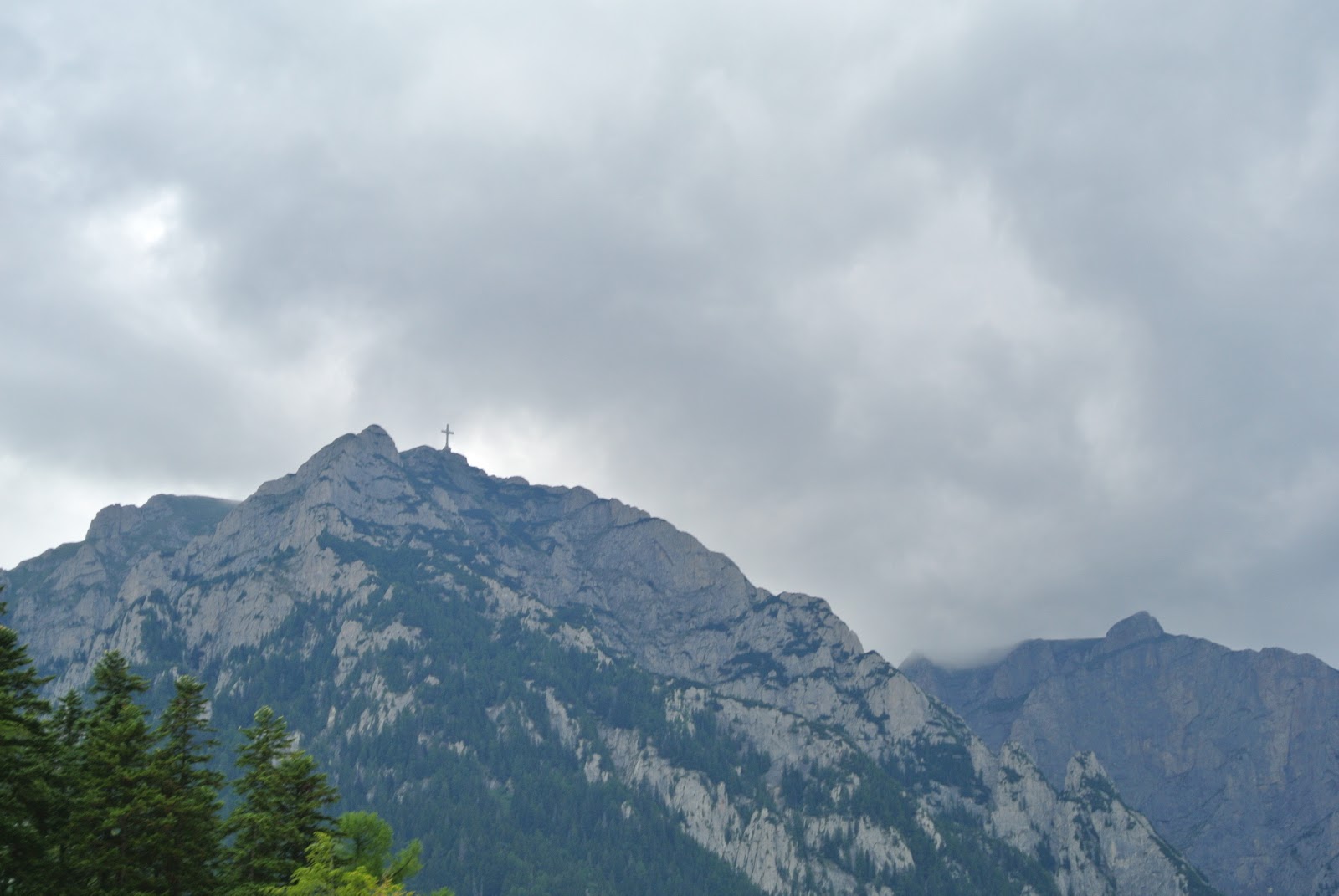
Spooky mountain cross, on the road south of Brasov, Romania

Sheep's head lunch special, Albanian Riviera


Sunday, 10 May 2020

On funk and the cosmos

This post is dedicated to defining, explaining and exploring the term “cosmic funk” - or at least what it means to me, and how funk music and all things cosmic have become a kind of de facto spirituality for me. 

The notion of salvation through music in my psyche probably dates back to when my teenage mind was first exposed to the future scene from Bill and Ted’s Excellent Adventure:

 
Future enlightened dudes as depicted in Bill and Ted's Excellent Adventure (1989)

The first line in the Wikipedia plot summary reads “In 2688, humanity exists as a utopian society due to the inspiration of the music and wisdom of the Two Great Ones, Bill S. Preston, Esq. and Ted "Theodore" Logan.” Of course Bill and Ted were more about heavy metal than funk, but the connection between music, enlightenment and its potential to positively affect society was first suggested to me by that movie, I think.

I first started using the term "cosmic funk" around 2008, while I was crafting my Couchsurfing profile. The first hint comes with the up-front mission statement, “To facilitate the arrival of The Bright Green Mothership in East Asia”, but the specific term is used further down in the profile when describing my music collection. Moreover, you can see hints of a secular philosophy centered around groove and the cosmos throughout the page, particularly in my description of my 2005 encounter with George Clinton from Parliament Funkadelic.

Searching my Gmail for the term “cosmic funk” returned the following email from 2009, an invitation to a cosmic funk-themed 30th birthday party. The list of suggested artists provides further clues as to the precise definition of the term:

Hey guys!
Great news - now there are not one, but two awesome parties to choose from! The Mackay Mexican Fiesta is still happening this Saturday (see email below), but for those of you near Brisbane who can't make it, I'm having another bash in Brisbane on the 22nd (my actual birthday), which my brother and his housemates have kindly agreed to host.
Here are the details:
Where: 41 Jones St, Auchenflower, Brisbane
When: Tuesday 22nd September, from 1930 onwards
Theme: Cosmic Funk - think Boney M, Parliament Funkadelic, Moonraker, the Star Wars Disco theme, Jamiroquai, etc - come on board the Mothership and shake that sacro-iliac!
Ok, you don't actually have to dress up, but please do stop by for a beer. I'll be buying a few cartons, but if you want to do some serious drinking, bring something to supplement.
Catch you soon,
Benson

Cosmic funk is probably best defined by lyrics of the song “Mothership Connection” and the whole Parliament Funkadelic mythology, which I’ve already written about in this Facebook post.

If you haven’t read it yet, the key cosmic funk and P-funk Mythology-defining phrase is this one:
"Funk upon a time, in the days of the Funkapus, the concept of specially-designed Afronauts capable of funkatizing galaxies was first laid on man-child"

Mind not sufficiently blown yet? Read on...
One of my favourite P-Funk quotes. It works on so many levels!

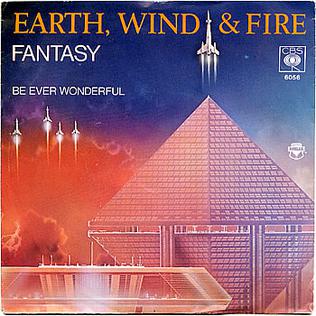
Second only to the P-Funk Mothership concept in terms of ability to epitomise the cosmic funk philosophy would be Earth Wind and Fire, whose album artwork and lyrics were littered with cosmic enlightenment themes:

“Take a ride in the sky, on our ship fantasii”

Eric Carlson recently wrote an article on “The Cosmic Joy of Earth Wind and Fire”, which suggests that bassist Maurice White might have preempted Bill and Ted by a decade or two. He writes:
“During this time, White began to have dreams, profound visions where he communed with the Creator of the universe and received orders to create a group that spread peace and joy around the planet. These visions would eventually lead The Salty Peppers to transform into Earth, Wind, & Fire, the cosmic messengers of funk ecstasy that everyone knows today.”

Earth Wind and Fire, the cosmic messengers of funk ecstasy (Let’s Groove, 1981)

Here’s a more obscure example that my friend Graham Coglan introduced to me during our Shanghai teaching days. It’s a song called “UFOs” from an album named “Cosmic Truth” - cosmic funk doesn’t get much purer than that!

And of course this one from War is another cosmic funk classic. Futuristic space-themed lyrics? Check. Irresistible funk groove? Check. 

There’s another more recent example of a cosmic funk messenger who deserves a mention in this article, and that is of course Jamiroquai.

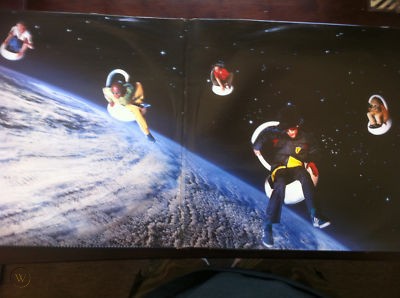
Jay Kay and his band “in orbit” in the liner notes of Travelling Without Moving (I found the image here; I do actually own this album but the liner notes are somewhere in a box at my parents’ house)

Apart from tracks with space-age names like Space Cowboy, Cosmic Girl and Light Years, there’s this gem from Funk Odyssey 2001. Listen for the futuristic synth sounds in the intro and again, note the connection between cosmic themes and enlightened states.

Also note how the album cover resembles the Stargate scene from A Space Odyssey 2001:

Then there’s the 2006 track “Starchild”, which doesn’t directly mention space travel in its lyrics, but does hint at the idea of the Starchild as some kind of saviour or messenger. I’ll let you listen to it and draw your own conclusions :-)

So while we’re on the subject of A Space Odyssey 2001 and the Starchild, let’s watch that ending again.

Stanley Kubrick’s depiction of the Starchild was very different to George Clinton’s.

You’d be forgiven for thinking this is all starting to sound a bit new age, and you’d probably be right. Many of the ideas about “lightworkers” and “star seeds” are reflected in the lyrics of songs that you’d put in the cosmic funk genre. That doesn’t mean that I’m suggesting you take them literally of course!

Notice in the article about lightworkers that one of the 11 types is called “The Messenger”. I’d suggest that purveyors of cosmic funk warrant their own sub-category: the Funk Messenger. 
In September 2000, when my student funk outfit “High Density Beagles” made it to the finals of the University of Queensland Student Union Battle of the Bands, I thought I was going to be like Bill and Ted; destined for greatness. I was having similar visions of grandeur to Maurice White from Earth Wind and Fire. I thought I was going to save the world with my music (in other words, all three of the original songs we’d written at that point).

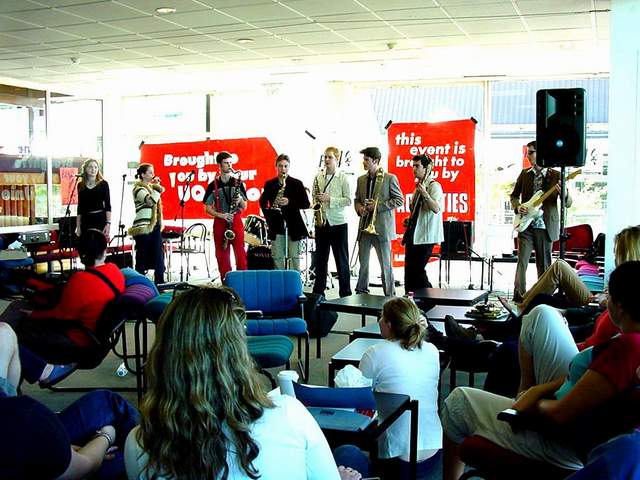
At the heats of the UQ Union Band Competition circa September 2000. The crowd goes wild.

Now, I realise I’m not going to be the Funk Messiah. I am not the Starchild. But am I a Funk Messenger? Perhaps, although you could argue that I need to be performing funk to larger audiences to be put into that category. Can I call myself a funk disciple? A funk soldier? Absolutely! Anyone can be one of those if they have the right mindset.

So to finish where I started - with the claim that cosmic funk can be a form of spirituality - I think if you see spirituality as anything that helps people find meaning in life and achieve transcendental mental states, then it certainly can. 

Analysing the “cosmic” and the “funk” aspects separately, this is how I see it:

Cosmic - this is both a world view and a sense of connection with the greater whole. It’s the idea that there are infinite possibilities in an infinite universe (see David Deutsche’s TED talk for a great discussion of this idea), and the hopeful future represented by space exploration and evolving into (or learning from) more enlightened and intelligent beings.

Funk - perhaps this is the meditative aspect. I see funky grooves as mantras that allow us to transcend our everyday mental state. You know that feeling you get when a certain song hits you right in “there”? This is related to George Clinton’s quote above. Free your mind...

To summarise, we don’t need to wait for the coming of the Starchild - we are the Starchild. We just need to undergo a metamorphosis. For more on what that means (that would be a whole new post), look up Daniel Schmachtenberger, particularly this podcast and this article. 
Perhaps it’s a stretch to say that funk can help you become enlightened and make the world a better place. What I can say for sure is it’s been a great source of positivity and psychotherapy for me over the years. So give it a try. And just maybe, if we all do it, the outline of the Starchild will begin to emerge...